






Do you know the true superhero of the ocean?
When you think about ocean protection, whales, turtles, or coral reefs probably come to mind. But there's a silent hero doing incredible things beneath the surface – one that hardly anyone knows about: seagrass.
Seagrass meadows cover less than 0.2% of the ocean floor but store up to 18% of all marine carbon. They sequester CO₂ up to 35 times faster than tropical rainforests – per square meter, mind you. Pretty impressive for a plant that, at first glance, looks like wet grass, right?
What exactly is seagrass – and why is it so important?
Seagrass is not an algae, but a true flowering plant that grows in the ocean. There are around 70 species worldwide, forming dense underwater meadows in shallow coastal waters – including around Bali, where our Oceanmata team is active daily.
These meadows are true all-rounders:
🌿 Carbon sink: Seagrass meadows store carbon in their roots and in the sediment – sometimes for thousands of years. Scientists call this "Blue Carbon." According to UNEP, coastal ecosystems like seagrass, mangroves, and salt marshes together store more carbon than all the forests on Earth.
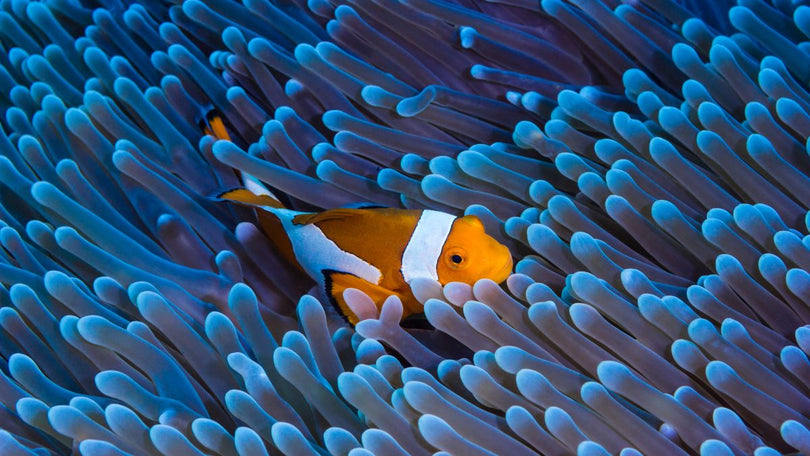
🐟 Nursery of the sea: Over 40% of commercially important fish species spend at least part of their lives in seagrass meadows. Young fish, shrimp, seahorses, and even sharks find shelter and food here. Together with coral reefs, seagrass meadows form the most important shallow-water habitats.
🛡️ Coastal protection: The dense grass mats slow down waves and currents, prevent erosion, and protect coastal communities – especially in times of rising sea levels.
💧 Water filter: Seagrass filters sediments and nutrients from the water. A meadow the size of a football field can clean millions of liters of seawater daily.
The silent catastrophe: Why seagrass meadows are disappearing
Here's the bad news: Since the 1930s, we have lost approximately 30% of all seagrass meadows worldwide. Another 7% disappear every year, which is roughly equivalent to a football field every 30 minutes.
The reasons? Water pollution, agricultural over-fertilization, coastal development – and, of course, plastic pollution. Plastic in the ocean settles on seagrass meadows, blocks sunlight, and hinders growth. Microplastics enter the sediment and alter soil chemistry. You can learn more about the invisible danger of microplastics in our detailed article.

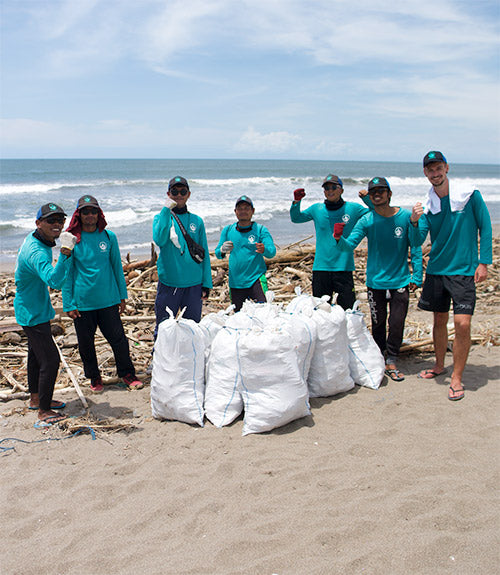
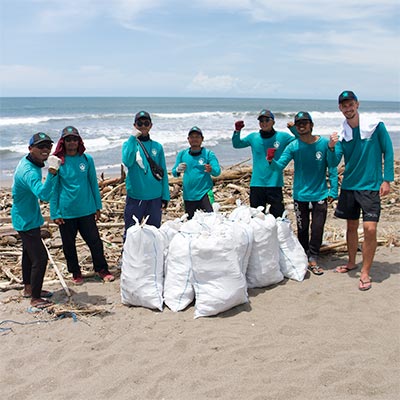
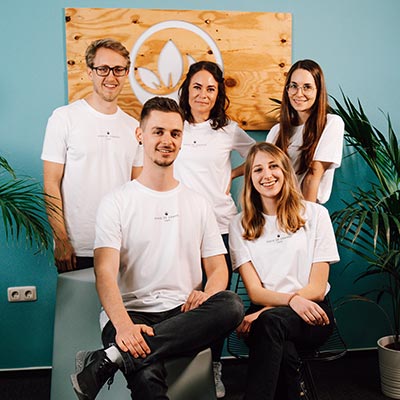
Our founder Dominik experienced the problem firsthand on his first trips to Asia. As a former Airbus engineer who grew up kitesurfing on the North Sea, he was shocked by how much plastic was on Bali's beaches. In Medewi, he met a local who was collecting plastic himself – and that's how Oceanmata was born. Today, our 11-person team in Medewi works daily to collect plastic waste from the ocean and beaches before it further destroys ecosystems like seagrass meadows.
Over 300,000 kg of ocean plastic – and why every kilogram counts
Since its founding, Oceanmata has collected over 300,000 kg of ocean plastic. But it's not just about cleaning up. With river barriers, we intercept plastic before it enters the sea. We provide educational lessons in local schools in Medewi and offer free trash cans for locals. And through our Precious Plastic machines, we recycle the collected material directly on site – because we don't see plastic as waste, but as a valuable resource.
All these measures not only protect beaches and marine animals, but indirectly also seagrass meadows, which are invaluable for the entire ocean.
What you can do to protect seagrass meadows
The good news: There is hope. Seagrass replanting projects are underway worldwide, and the results are promising. But you can also make a difference:
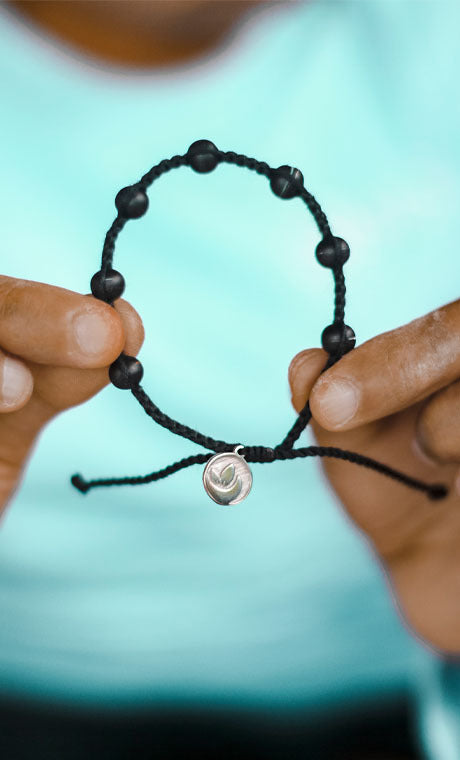
Reduce plastic consumption: Every piece of plastic that doesn't end up in the ocean is a win for seagrass meadows and all living creatures in them. Check out our sustainable iPhone cases or Samsung cases made from ocean plastic – for every product, we collect 1 kg of plastic from the ocean.
Raise awareness: Tell others about the importance of seagrass. Most people don't know how vital these ecosystems are. Share this article or talk to friends about it.
Travel sustainably: If you snorkel or dive, do not touch seagrass meadows and do not anchor in these areas. Any disturbance can have consequences for years.
Support marine conservation: Whether through a marine animal sponsorship, an Oceanmata product, or a donation to marine conservation organizations – every contribution helps.
"I can't deal with so many things that need my help. When you buy something from you, it's so easy. It costs a bit more, but I have a completely different feeling when it arrives." – An Oceanmata customer
Saving seagrass means saving the climate
Seagrass meadows are one of the most effective natural allies we have in the fight against climate change. If we lose them, we not only release enormous amounts of stored carbon but also destroy an ecosystem that provides a home for millions of marine animals and protects our coasts.
A phone case alone won't save the world. But thousands of people taking small steps together can. That's the Oceanmata philosophy – and with over 165,000 ocean heroes in our community, we show every day that it works. 💙
🌊 Join the fight for a plastic-free ocean!
Every Oceanmata product collects 1 kg of plastic from the ocean – so that seagrass meadows, coral reefs, and marine animals have a future.
Frequently asked questions about seagrass
Is seagrass the same as algae?
No! Seagrass is a true flowering plant with roots, leaves, and flowers, while algae do not have roots. Seagrass is even more closely related to land plants than to algae.
Where are seagrass meadows found?
Seagrass is found on all continents except Antarctica – in shallow coastal waters up to about 50 meters deep. Particularly large occurrences are found in Australia, Southeast Asia, and the Mediterranean.
Can seagrass be replanted?
Yes, and it works! Successful replanting projects are underway in the UK and the US. However, it takes years for a meadow to reach its full potential – which is why protection is better than repair.
