






The Underestimated Heroes of the Coast

Image credit: Photo by @pablocogollos
Image credit: Photo by @shanegrossphoto
You're probably familiar with coral reefs and seagrass meadows – but have you ever wondered why sometimes entire trees stand in the water along Bali's coasts? These are mangroves, and they are among the most important ecosystems on our planet. Honestly: Without them, the situation on many of the world's coasts would be much worse.
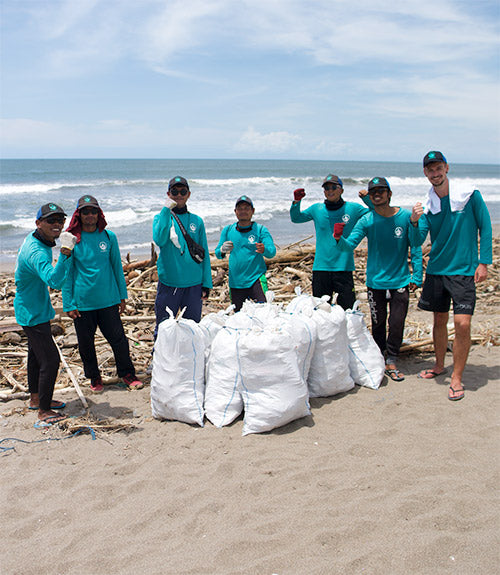
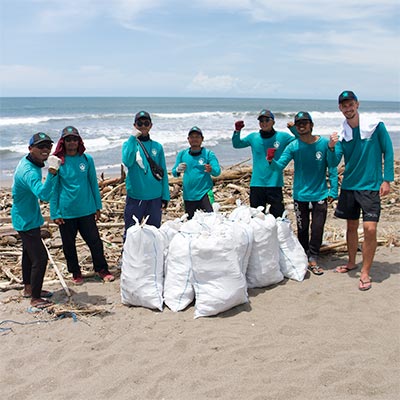
In Indonesia, where our OceanMata team in Medewi collects up to 300 kilograms of plastic from the beaches daily, mangroves play a very special role. They not only protect the coast – they filter plastic from the water, store massive amounts of CO₂, and provide a home for animals. It's time for you to learn why these root forests are so important and what you can do to help.
What exactly are mangroves?
Mangroves are trees and shrubs that grow in the intertidal zone of tropical coasts – precisely where salt and fresh water meet. What's special: Their roots function almost like snorkels. They stand in saltwater for hours without dying, and cleverly filter out the salt so that the trees can still absorb fresh water.
Indonesia originally had about 4.5 million hectares of mangrove forest. This means the country hosts around 17 percent of all mangrove and seagrass ecosystems worldwide. Unfortunately, a third of this has already been destroyed in the last 30 years – mainly due to shrimp farming, palm oil plantations, and coastal development.
The CO₂ Superhero: Why Mangroves Protect the Climate

This is where it gets really exciting: Mangrove forests can capture three to five times more CO₂ than tropical rainforests. Yes, you read that right – three to five times. The mangroves in Indonesia alone are estimated to store over 122 million tons of CO₂ per year.
An international study from 2024 has even shown that reforested mangroves reach almost three-quarters (71 to 73 percent) of the carbon content of an intact natural mangrove forest after just 20 years. In the soil, the carbon content had already increased by 25 percent after five years. This means: Reforestation really works – and relatively quickly.
This is also called Blue Carbon – carbon stored in coastal ecosystems such as mangroves, seagrass meadows, and salt marshes. That's why mangroves are a central building block in the fight against climate change.
Natural Coastal Protection Without Concrete
If you know Bali – or tropical coasts in general – you know how intense monsoon storms and tidal waves can be. Mangroves act as a natural barrier here. Their dense root systems break wave energy and reduce flood heights by up to 66 centimeters. This not only protects beaches from erosion but also villages and fields behind the mangroves.
A current example: After the 2004 tsunami in Southeast Asia, studies showed that coastal sections with intact mangrove forests had significantly less damage than those without. Natural coastal protection is often more effective and cheaper than any concrete wall.
Our team in Medewi sees this firsthand: Where mangroves have been cleared, significantly more plastic ends up on the beaches. The root systems act like a natural filter net, catching flotsam and plastic waste before it reaches the open sea.
Habitat for Countless Animal Species
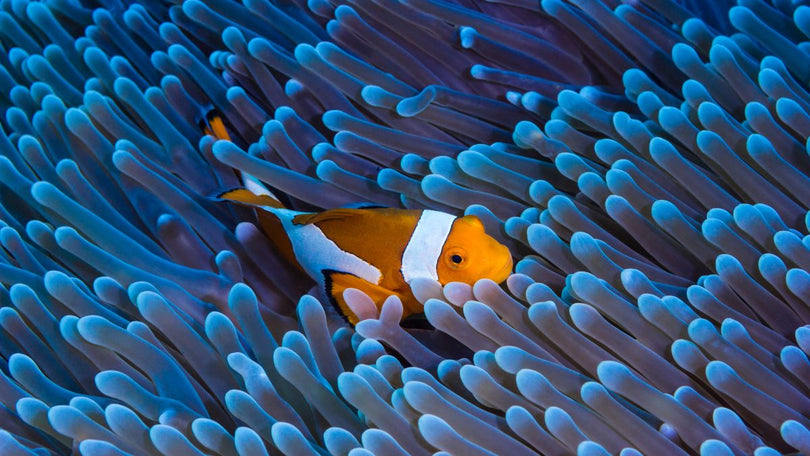
Mangrove forests are true nurseries of the seas. In their tangled labyrinths, countless fish species, crabs, mussels, and even small sharks and turtles find shelter and food. Many marine fish spend their first weeks of life among the mangrove roots before heading out into the open sea.
Birds also love mangroves: Herons, kingfishers, and cormorants nest in their crowns. And even more happens underwater – the roots provide a foundation for corals and sponges to grow. Entire food webs depend on this one ecosystem.
This is particularly relevant for Bali: The island is located in the so-called Coral Triangle, the most biodiverse marine region in the world. Intact mangrove forests here are not just beautiful to look at – they are vital for marine biodiversity.
Why Bali in particular?
Bali's coasts are under enormous pressure. Tourism, fishing, and urban growth threaten the remaining mangrove areas. At the same time, Bali is one of the places where mangrove reforestation works particularly well – thanks to tropical conditions and the commitment of local communities.
When our founder Dominik first came to Bali, one thing in particular shocked him: the amount of plastic on the beaches. What many don't know: Intact mangroves could partially solve this very problem. They trap plastic waste in their roots and prevent it from being swept into the open sea – where it breaks down into microplastics and enters the food chain.
That's why we at OceanMata don't just work on beach clean-ups. We know that long-term protection only works if natural barriers like mangroves are strengthened. Our team has already collected over 320,000 kg of ocean plastic – but mangrove reforestation is the next logical step.
As a customer recently wrote to us: "I gifted a sea turtle sponsorship and was so touched when the first update arrived. Knowing that my purchase really makes a difference – that's priceless." We want to transfer exactly this energy to mangrove protection as well.
What can you do? 5 concrete possibilities
You don't have to travel to Bali to protect mangroves. Here are five things you can do immediately:
1. Support organizations that reforest mangroves
There are numerous NGOs that specifically finance mangrove projects. Check whether the organization reports transparently on its work and involves local communities. This is the key to sustainable success.
2. Reduce plastic – at the source
Every kilogram of plastic that doesn't end up in the ocean also protects mangroves. A compostable phone case sounds like a small step – but if we all think that way, it adds up. At OceanMata, we collect one kilogram of plastic from the ocean for every product.
3. Travel consciously
If you visit Bali or other tropical destinations, look for ecotourism offers that include mangrove protected areas. A mangrove kayak tour is not only an incredible experience – it also supports the preservation of the forests.
4. Talk about Blue Carbon
Many people don't know what mangroves do. Share this article, tell your friends. Awareness is the first step to action. The more people know about Blue Carbon, the more pressure there will be for political action.
5. Choose Ocean-Plastic-free products
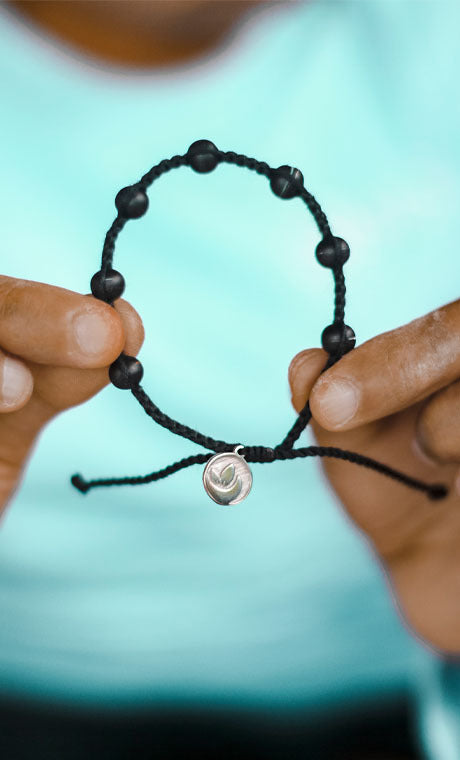
Our jewelry collection is made from recycled ocean plastic. Every bracelet, every necklace tells a story – and shows that plastic is not waste, but a raw material. Look around and find your next favorite piece.
Conclusion: Mangroves are not optional – they are essential
Mangroves are the silent protectors of our coasts. They store CO₂, break storm surges, filter plastic, and host thousands of animal species. And the best part: They regrow. If we protect and reforest them, they can recover faster than many think.
At OceanMata, we believe that every contribution counts – whether you buy a sustainable phone case, sponsor a marine animal, or simply spread this knowledge. Together, we can make our oceans cleaner – step by step, kilogram by kilogram.
Because one thing is clear: No healthy ocean without mangroves. And without a healthy ocean – well, we don't even want to think about that. 💙🌊
Want to do more? Discover our compostable phone cases, our ocean plastic jewelry collection, or secure a marine animal sponsorship – and help us grow over 320,000 kg of collected ocean plastic even further. Together for a plastic-free ocean. 🐢
Entdecke passende Oceanmata Produkte