




Boiling Lobsters Alive – Why This Will Soon Be a Thing of the Past

Image credit: Photo by @ayya.lens
Imagine being thrown alive into boiling water. Sounds cruel? It is – and that's exactly what happens to millions of lobsters worldwide every year. But times are changing: more and more countries are recognizing that crustaceans can feel pain and are banning live boiling. We'll show you which countries are leading the way, what science says, and what this means for our oceans.
Which countries have already banned live boiling? 🌍
The movement began in Europe – and is spreading further and further:
- Switzerland (since 2018): As a pioneer, Switzerland has completely banned the live boiling of lobsters. Chefs must stun the animals beforehand – either by electric shock or a targeted cut to the nervous system.
- Norway: Live boiling is also prohibited here. Crustaceans must be stunned or killed instantly before preparation.
- New Zealand: The country has included crustaceans in its animal welfare legislation and prohibited live boiling.
- Austria: Also prohibited – lobsters may not be put alive into boiling water.
- Parts of Italy: In the city of Reggio Emilia, it is illegal to boil lobsters alive.
Great Britain takes the next big step 🇬🇧

At the end of 2025, the British government officially confirmed: The live boiling of crustaceans is unacceptable. With the Animal Welfare (Sentience) Act 2022, lobsters, crabs, and octopuses were recognized as sentient beings for the first time. Now concrete consequences are following.
A complete ban is expected to come into force by 2030. Restaurants and fishmongers will then have to switch to humane killing methods – for example, electrical stunning with devices like the "Crustastun" or a quick cut through the central nervous system.
Canada is also intensively discussing a ban. This is particularly significant, as the Canadian lobster industry is worth almost 3 billion dollars. Pressure on the industry is growing – from science, politics, and consumers alike.
What does science say? 🔬
For a long time, it was claimed that lobsters did not feel pain. Today, we know better. A groundbreaking report from the London School of Economics in 2021 compiled the evidence:
- Crustaceans possess nociceptors – pain receptors that detect dangerous stimuli
- They have a functional opioid system – similar to humans
- When exposed to painful stimuli, they show protective reactions: They touch the affected area and avoid the place in the future
- Researchers found a mu-opioid receptor in American lobsters that is 100% identical to the human one
The study rated the evidence for sentience in lobsters as "substantial" – and "strong" for true crabs. Eight criteria for sentience were met.
Why this is particularly important to us at Oceanmata 💙
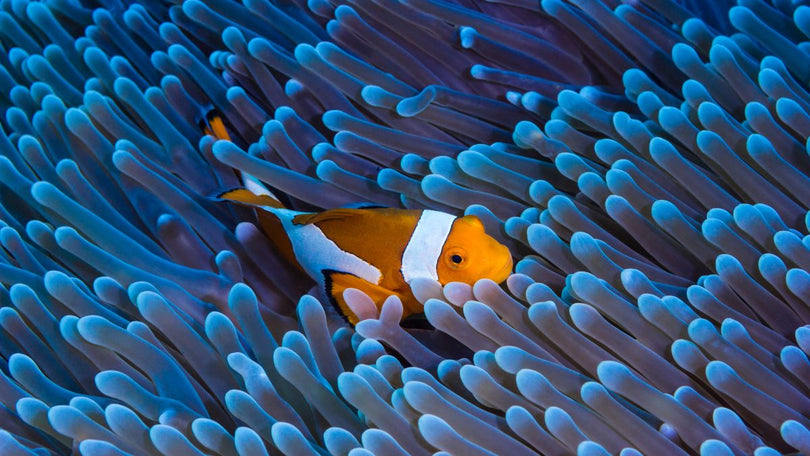
At Oceanmata, we fight every day for healthy oceans. And healthy oceans also mean: respect for the creatures that live in them. Lobsters are fascinating animals – they can live for over 100 years, have complex social structures, and play an important role in the marine ecosystem.
When we collect 1 kg of plastic from the ocean with every Oceanmata product, we do it not only for clean beaches. We do it for the turtles, the whales, the corals – and yes, also for the lobsters. Marine conservation means seeing the bigger picture.
What can you do? ✊
You don't have to be an activist to make a difference. Here are a few simple steps:
- Educate yourself: Ask in restaurants where the lobster comes from and how it was killed
- Choose consciously: Support restaurants that use humane methods
- Share the knowledge: Many people don't know that lobsters feel pain – talk about it!
- Support marine conservation: With a marine animal sponsorship, you actively contribute to the protection of marine life
The future belongs to animal welfare 🐚
The bans in Switzerland, Norway, New Zealand, and soon in Great Britain show: awareness is growing. What was normal yesterday is no longer acceptable tomorrow. And that's a good thing.
Every time a country bans live boiling, it's a sign that we as a society are learning. That we are beginning to treat even the smallest marine creatures with the respect they deserve.
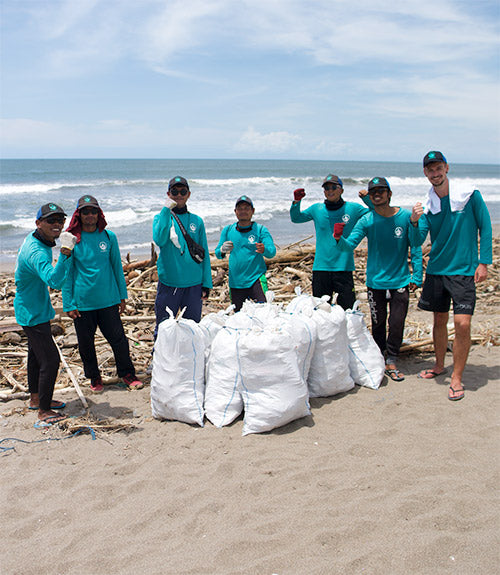
When Dominik quit his job as an engineer at Airbus in 2020 to found Oceanmata, he knew: The fight against ocean plastic begins with small steps. What started as an idea on a littered beach in Bali is now a team of 11 employees in Medewi who collect plastic every day.
Protect the oceans – with every grab for your phone 🌊
With every sustainable phone case from Oceanmata, 1 kg of plastic is collected from the ocean. Your style, your statement – for oceans without plastic and for creatures that deserve to live in peace.